 Demo mode settings

Standby Power Generators
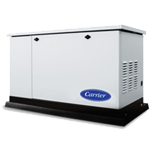
A standby generator is a permanent backup power system installed outside your home. It connects to your electrical panel and to your natural gas line or a propane tank, and it starts on its own when the power goes out, whether you're home or away. When utility power returns, it switches your home back and shuts itself off.
Before they buy, most Libertyville homeowners want to know what size they need, which fuel makes sense, whether a generator is worth it and what installation involves.
Power outages can happen in the blink of an eye
What causes power outages?
- 38% Lightning and other weather: wind, rain, snow, heat, cold and ice
- 26% Utility equipment problems and grid overload
- 12% Fallen trees or tree growth
- 10% Animal contact
- 8% Human error: underground digging, cranes, traffic and vandalism
- 6% Miscellaneous: mechanical damage, construction and fire
How a standby generator protects your home

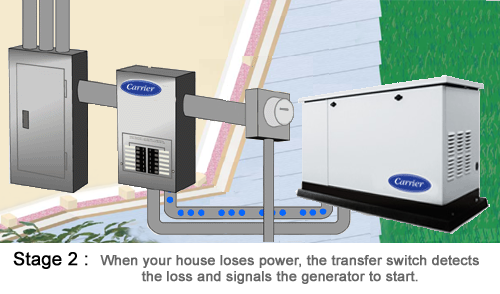


Standby Generator vs. Portable Generator vs. Home Battery
All three can keep power on during an outage, but they work very differently:
| Feature | Standby Generator | Portable Generator | Home Battery Backup |
|---|---|---|---|
| How it starts | Automatically, whether you are home or away | You set it up outside, fuel it and start it | Automatically, when installed with backup equipment |
| What it powers | Your whole home or the circuits you choose | A few essentials, through a transfer switch or extension cords | Selected circuits, since a whole home usually takes several batteries |
| How long it runs | As long as it has fuel and is maintained | Until the fuel tank needs refilling | Until the stored charge runs out, unless solar panels recharge it |
| Fuel | Natural gas or propane | Usually gasoline, with some models also running on propane | Electricity from the grid or solar panels |
| Best for | Homes that cannot go without power, even for days | Short outages and a few essentials | Quiet backup for essential circuits, especially with solar |
A portable generator costs less, but someone has to set it up and refuel it during the outage, and the CDC advises running it outside, at least 20 feet from doors, windows and vents. To power your home's circuits, it has to connect through a transfer switch installed by a qualified electrician.
What Size Standby Generator Do You Need?
Generators are sized in kilowatts (kW), and the right size depends on what you want to run during an outage. There are two main approaches:
- Whole-home backup. The generator is sized to run nearly everything in your home, including central air conditioning.
- Essential circuits. A smaller generator runs only the circuits you choose, such as the furnace, refrigerator, sump pump, well pump and some lights and outlets.
Load management lets a generator cover more of your home without going up in size. It briefly switches off large appliances, such as an electric dryer or a second air conditioner, when the generator nears its limit, then turns them back on.
Natural Gas or Propane?
Most home standby generators can run on either fuel:
- Natural gas comes from your utility line, so there's no tank to refill. The gas meter and line have to supply the generator along with your furnace, water heater and other gas appliances, and some homes need an upgrade.
- Propane is stored in a tank on your property and is common where natural gas isn't available. How long the generator runs depends on the size of the tank and how much power you use, so it pays to keep the tank filled.
Fuel also affects output. Many generators are rated for slightly less power on natural gas than on propane, so the size is chosen for the fuel the generator will actually use.
Your Heating and Cooling System Shapes the Size
Heating and cooling equipment is often the largest load a generator carries. An air conditioner or heat pump draws a surge of power every time its compressor starts, and the generator has to handle that surge on top of everything else that's running. A soft starter can reduce the surge so a smaller generator can start the system. A heat pump's backup electric heat is a large load of its own, and whether the generator needs to run it changes the size you need. Because the Carrier Test Dealer - DS team works on heating and cooling systems every day, we size your generator around the equipment you actually have.
What Affects the Cost of a Standby Generator?
Every installation is different, so the price depends on your home and what you want the generator to do. The main factors are:
- Generator size. Whole-home backup takes a larger generator than essential circuits.
- Transfer switch. The switch has to match your electrical service, and some include load management.
- Fuel supply. The distance to your gas meter, any meter or gas line upgrade, or a new propane tank.
- Electrical work. The distance to your electrical panel and any panel work your home needs.
- Site preparation. The mounting pad and the spot where the generator will sit.
- Permits and inspections. Requirements and fees are set by your community.
- Accessories. Soft starters, cold weather kits and remote monitoring.
Is a Standby Generator Worth It?
According to the U.S. Energy Information Administration, the average U.S. electricity customer spent about 11 hours without power in 2024, nearly twice the yearly average of the decade before. Major weather events such as hurricanes and flooding accounted for 80% of those hours, while everyday outages averaged about two hours. A standby generator is built for the long ones.
A generator is most worth it when losing power costs you more than an inconvenience:
- A basement with a sump pump. The pump stops when the power does, often in the middle of the storm that is filling the pit.
- A private well. Well pumps run on electricity, so an outage can leave you without running water.
- Medical equipment or health needs. Oxygen equipment, refrigerated medication and anyone who can't handle extreme heat or cold depend on steady power.
- Working from home. Your internet, computer and phone stay powered.
- Time away from home. The generator starts without you, so the heat, sump pump and refrigerator keep running while you're gone.
- Frequent or long outages. If your neighborhood loses power often, or for days after storms, you'll use it more.
Already Have a Standby Generator? Keeping It Properly Maintained
A standby generator can sit unused for months, then run for days. Regular care makes sure it starts when you need it:
- Weekly self-test. The generator starts itself on a set schedule, usually once a week, and runs for about 5 to 20 minutes, depending on the model, to keep the engine ready.
- Remote monitoring. Many models connect to Wi-Fi, so you can check the generator's status and get maintenance alerts on your phone.
- Routine service. Oil, filters, spark plugs and the battery are serviced on the manufacturer's schedule, which is based on both time and hours of running, so a long outage can bring service due sooner.
- Cold weather protection. Where winters get cold, a cold weather kit, such as a battery or oil warmer, helps the generator start in freezing temperatures.
- A clear space around it. Keep shrubs, snow and debris away from the enclosure and its vents.
Keep your Standby Power Generator in optimal condition so it's ready when you need it most to protect your home and belongings. Schedule routine maintenance for this and all the mechanical systems in your home with Carrier Test Dealer - DS.
What Standby Generator Installation Includes
A standby generator connects to both your electrical system and your fuel supply, so installation involves licensed electrical and gas work, permits and inspections. The work has to follow the National Electrical Code, local codes and the manufacturer's installation instructions. Here's how a professional installation goes:
Load and Site Assessment
We list what you want to power, check your electrical panel and fuel supply, and recommend the right generator size.
Location and Permits
We choose a spot that meets code and manufacturer clearances from windows, doors and vents, then pull the required permits.
Generator and Transfer Switch
We set the generator on its pad, connect the fuel supply and install the automatic transfer switch at your electrical panel.
Testing and Walkthrough
We test the switch to generator power and back, set the weekly self-test and show you how everything works.
Frequently Asked Questions About Standby Generators
As long as it has fuel and is maintained. On natural gas, it draws from your utility line, so it can keep running through a long outage. On propane, the run time depends on the size of the tank and how much power your home uses. During an outage that lasts for days, follow the owner's manual, which may call for checking the oil level daily, and expect routine service to come due sooner.
Yes, if it's sized for them. The generator has to handle the surge when the compressor starts and, with a heat pump, the backup electric heat if you want it to run. A soft starter or load management can let a smaller generator do the job. We check your equipment's electrical requirements before recommending a size.
Air-cooled home standby generators are commonly rated in the high 60s in decibels, measured about 23 feet away while running. Many run their weekly self-test at a lower speed, which is quieter. Where the generator sits also affects what you hear, and some communities have noise or placement rules that we account for when choosing the location.
Yes, when it's installed correctly, but placement matters. Like any engine, a generator produces carbon monoxide. After Hurricane Ida, U.S. Consumer Product Safety Commission staff traced carbon monoxide inside more than 100 homes to the home's own standby generator, often entering through attic vents. A generator should sit where the manufacturer's instructions and local code allow, as far from windows, doors and vents as the site permits, and every home with one should have carbon monoxide alarms with battery backup on every level.
Only through a transfer switch installed by a qualified electrician. Never plug a generator into a wall outlet to power your home. This is called backfeeding, and it can send power back out onto the utility lines, putting line workers and your neighbors at risk of electrocution.
In most communities, yes. A standby generator usually needs electrical and gas permits and an inspection, and some areas also have zoning or homeowners association rules about where it can go. We take care of the permits and schedule the inspections.
No. Standby generators don't qualify for the federal home energy tax credits, and those credits, including the one that covered home battery storage, ended for equipment placed in service after December 31, 2025. Some homeowners insurance companies do offer a discount for an automatic standby generator, so it's worth asking yours.