 Demo mode settings


Attic Insulation Services
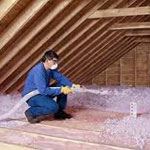
If your upstairs is hot all summer and cold all winter, or your heating and cooling bills keep climbing, the attic is a good place to look. Carrier Test Dealer - DS provides attic insulation services in Libertyville and the surrounding area.
Insulation slows the flow of heat. In winter it keeps the heat your furnace or heat pump makes from escaping into the attic, and in summer it keeps the heat that builds up in the attic from coming down into your rooms.
How Do You Know If You Need More Attic Insulation?
Your attic may need more insulation if you notice:
- Insulation that's level with or below the floor joists, or thin spots along the edges of the attic.
- Hot or cold ceilings and rooms, or an upstairs that never matches the rest of the house.
- High heating and cooling bills in both summer and winter.
- Ice dams along the edge of the roof in winter.
- Drafts or extra dust in the rooms right below the attic.
- Dirty or discolored insulation, a sign that air is leaking through it.
How Much Attic Insulation Do You Need?
Insulation is rated by R-value, its resistance to heat flow. The right attic insulation R-value depends on your climate, your heating and cooling system and how much insulation is already there, so the depth of the existing insulation is measured and compared with the level recommended for your area.
What Type of Attic Insulation Is Best?
Blown-in or batts, fiberglass or cellulose: the right choice depends on the attic and the job. Here's how the common types of attic insulation compare:
| Feature | Blown-In Fiberglass | Blown-In Cellulose | Batts and Rolls | Spray Foam |
|---|---|---|---|---|
| What it is | Fine glass fibers, blown in loose | Recycled paper treated for fire and insect resistance, blown in loose | Precut blankets, most commonly fiberglass | Liquid foam that expands and hardens in place |
| Where it fits | Open attic floors, including on top of existing insulation | Open attic floors, including on top of existing insulation | Open attic floors with room to lay them between and over the joists | The underside of the roof and hard-to-reach spaces |
| Good to know | Fills in around wiring and framing for even coverage | Settles somewhat under its own weight over time | Gaps and squashed spots lower their performance | Takes special equipment and an experienced installer |
Does Old Attic Insulation Need to Be Removed?
Not always. Putting new insulation over old is fine, even a different type, as long as the old insulation is dry and in good shape. Wet insulation has to dry out and the leak behind it has to be fixed first. Moldy insulation, or insulation contaminated by rodents or other pests, has to come out, which turns the job into attic insulation removal and replacement.
What Does Attic Insulation Cost, and Are There Rebates?
The price depends on the size of the attic, how much insulation is there now, the type of insulation, how much air sealing the attic needs and whether attic insulation removal has to come first. Ask us for a quote for your home.
What Happened to the Attic Insulation Tax Credit?
Unfortunately, the federal tax credit for insulation and air sealing materials ended for anything installed after December 31, 2025, so only projects completed by that date or earlier are eligible for it. However, other savings may still be available:
- Utility rebates. Your utility may offer a rebate on attic insulation and air sealing, and a home energy assessment can be the first step.
- State, provincial and local programs. Your state, province or town may also help pay for insulation, and the rules change from year to year.
- Programs vary by location. Rules on who does the work and when to apply differ from program to program, so check before the work starts.
Want to know whether rebates are available for your attic insulation project? Ask Carrier Test Dealer - DS which programs apply where you live.
Is Attic Insulation Worth It?
ENERGY STAR says, "The attic usually has the most potential for energy savings and is typically accessible." Adding insulation where the attic falls short helps your bills, your comfort and your heating and cooling system:
Savings vary. Find out why in the seller's fact sheet on R-values. Higher R-values mean greater insulating power.
How Does Professional Attic Insulation Work?
Professional attic insulation installation generally follows four steps:
Inspect the Attic
The technician measures the insulation that's there and checks for roof leaks, moisture, pest damage, blocked vents and wiring or light fixtures that need clearance.
Air Seal the Attic Floor
Gaps around wiring, plumbing, flues, chimneys, light fixtures and the attic hatch are sealed, because insulation alone doesn't stop air leaks.
Keep Attic Ventilation and Heat Sources Clear
Baffles keep insulation clear of the soffit vents, and insulation is kept away from chimneys, flues and recessed lights that aren't rated for contact.
Add Insulation to the Right Level
Insulation goes in evenly to the recommended depth, and the attic hatch is insulated and weatherstripped so it doesn't leak heat.
Bathroom and kitchen fans should vent outdoors, not into the attic. In homes with gas or oil appliances, a combustion safety check after air sealing makes sure they still vent safely.
Frequently Asked Questions About Attic Insulation
Yes. Attic air sealing comes first because fiber insulation doesn't stop air from moving through it. Warm, moist air leaking up from the house carries heat into the attic, and a colder, better-insulated attic makes that moisture more likely to condense. Sealing the gaps first lets the new insulation do its job.
Yes. On a hot day, heat from the attic moves down through the ceiling into the rooms below. Insulation slows that heat, which helps keep upstairs rooms cooler and takes some of the load off your air conditioner.
Leave it alone. Vermiculite is a pebble-like insulation, usually gray-brown or silver-gold, found in some older homes. EPA advises homeowners to assume it contains asbestos and not to disturb it. If attic work would disturb it, removal is a job for a professional asbestos contractor.
Not when the insulation goes on the attic floor. Ducts above it are outside the insulated part of your home, so they need to be sealed and insulated on their own, because leaks there send heated and cooled air into the attic instead of your rooms.
Read about our air duct sealing.
It's a good idea. ENERGY STAR advises optimizing the attic insulation before a new heat pump, "so you don't pay for more heating and cooling than you actually need." Better insulation changes how much heating and cooling the house needs, which matters when the new system is sized.
Replacing a furnace? Read about furnace installation and replacement.
Replacing an air conditioner? Read about AC installation and replacement.
Replacing a heat pump? Read about heat pump installation and replacement.
A home energy assessment looks at how a house uses energy, including its insulation and where air leaks in. Many professional assessments include a blower door test and an infrared scan, and adding attic insulation is a common recommendation.
Read about our energy audits.
A blower door test uses a powerful fan mounted in an exterior doorway to measure how much air leaks through the house. While the fan runs, an infrared camera can show where insulation is missing and where air is getting through, so those gaps can be sealed before the attic is insulated. A second test after air sealing shows how much the leakage dropped.
Read about our blower door testing.
The insulation should be spread evenly to the planned depth, with no low spots along the edges and no packed-down areas, and the soffit vents should stay clear. Ask your attic insulation contractor for the type and amount of insulation installed in writing, so you know what went into your attic.