 Demo mode settings


Commercial HVAC Services
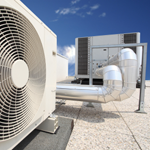
When the heating or air conditioning fails at your business, customers notice and tenants start calling. Carrier Test Dealer - DS installs, repairs and maintains heating, cooling and ventilation equipment for offices, retail spaces, restaurants and other commercial buildings in Libertyville and the surrounding area.
Tell us how your building is used and when it's open, and we'll recommend the repair, maintenance or replacement that fits your equipment and your schedule.
How We Work With Your Business
Here's how Carrier Test Dealer - DS typically works with commercial customers:
Walk-Through
We look at your building and equipment and talk through any problems you're having.
Clear Recommendations
We explain your options for repair, maintenance or replacement and what each one involves.
Scheduling That Fits
We work with you to schedule the work at a time that suits your business.
Anyone on our team who works on refrigerant holds the EPA certification federal law requires. Ask us for our certifications and proof of insurance before work starts.
Commercial HVAC Installation, Repair and Maintenance
Over the life of a building, most businesses need all three from their HVAC contractor:
Equipment We Service
- Rooftop and packaged units, the equipment that heats and cools most commercial floor space
- Split systems for offices, shops and smaller buildings
- Furnaces and boilers
- Make-up air units that replace the air kitchen exhaust hoods pull out
- Exhaust and supply fans
- Ductwork and air distribution, including custom ductwork fabrication
- Thermostats and controls, including schedules for occupied and unoccupied hours
- Ventilation and filtration that bring in fresh air and keep dust down
Have equipment that isn't on the list? Tell us what's on your roof or in your mechanical room and we'll tell you how we can help.
Coolers, freezers or display cases need attention too? We service commercial refrigeration as well.
Should You Repair or Replace Commercial HVAC Equipment?
Age alone doesn't decide it. The U.S. Department of Energy's Better Buildings program treats a rooftop unit as near the end of its useful life when it no longer keeps the space comfortable, the chance of failure is high or maintenance costs keep climbing. We weigh the same things when we help you decide. These are the signs that point toward replacement:
- Repairs keep coming back. Service calls are getting more frequent and the bills keep adding up.
- The space isn't comfortable even when the unit runs.
- A major part has failed on an older unit, such as a compressor or a heat exchanger.
- It uses R-22 refrigerant. R-22 systems can still be serviced, but the refrigerant is no longer produced and its price is likely to rise as supplies run down.
- Energy bills are climbing without a change in how you use the building.
The Department of Energy notes that emergency rooftop unit replacements often cost much more than planned ones. Planning ahead lets us order the right equipment, arrange lifting and permits where they're needed and schedule the work at a time that suits your business.
Frequently Asked Questions About Commercial HVAC Services
A typical maintenance visit includes changing filters, cleaning coils, checking refrigerant charge and airflow, inspecting belts, motors and electrical connections, and testing controls.
At least once a year. ENERGY STAR recommends a yearly tune-up, and checking filters every month and changing them at least every three months. Equipment that runs long hours or serves a commercial kitchen may need attention more often. We'll tell you what your equipment needs.
Commercial equipment is usually larger, is often a packaged unit on the roof, may serve several zones or tenants and runs longer hours than a home system. That means more wear, more frequent maintenance and technicians who know commercial equipment. Many smaller buildings use split systems and furnaces much like a home, sized for a business.
Yes. The EPA allows existing R-22 equipment to keep running and to be serviced. R-22 is no longer produced, so repairs depend on recovered and reclaimed refrigerant, and the EPA expects its price to rise as supplies are used up. If your system needs refrigerant often, compare the cost of ongoing repairs with the cost of replacement.
It depends on your lease. Under a triple net lease the tenant usually handles maintenance and repairs, but who pays to replace a unit depends on how the lease is written. If you and your landlord need to agree on a repair or a replacement, we can look at the equipment and explain its condition to both of you.
It depends on the equipment, how many units you have and whether the work is a repair, maintenance or a replacement. We price it after looking at your equipment, so the quote reflects your building rather than a rough guess.