 Demo mode settings

Oil Furnaces
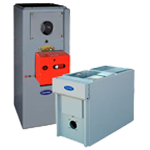

How Does an Oil Furnace Work?
An oil furnace heats your home by burning heating oil — stored in a tank on your property and refilled by periodic fuel deliveries, rather than piped in from a utility line. That independence is why oil heat is most common in older homes across the Northeast and parts of Canada, where natural gas service never reached many streets.
Here's what happens each time your thermostat calls for heat:
Fuel Pumping
A pump pulls heating oil from your tank and feeds it to the furnace burner.
Ignition
The burner sprays the oil into a fine mist and an electric spark lights it, creating a flame inside the combustion chamber.
Building Heat
Oil burns hotter than gas, so the flame quickly heats the walls of the heat exchanger — the metal chamber your indoor air passes over.
Warm Air & Venting
The blower pushes your home's air across the hot exchanger and out through the ducts, while exhaust gases vent safely up the chimney.
Is an Oil Furnace Still the Right Choice for Your Home?
If your current home relies on an oil furnace, you are in familiar company. Roughly 82% of U.S. households that heat with oil are concentrated in the Northeast—spanning New York, Pennsylvania, Massachusetts, and Connecticut.
For existing homeowners, maintaining or upgrading an oil heating system continues to make excellent sense for a few practical reasons:
- No Local Gas Lines: In many rural areas, historic districts, or neighborhoods where the gas utility never extended its main lines, oil provides reliable central heat without the massive expense of bringing a gas line to your property.
- Maximum Heat Output: Our winters are long and punishing. Heating oil burns hotter than natural gas and delivers more BTUs per gallon than an electric heat pump can provide on its own, warming your home rapidly even during a deep freeze.
- Fuel Independence: With an oil system, you own and control your fuel supply. Because you buy your oil ahead of time and store it safely on-site, a regional pipeline outage or utility supply issue won't leave your family in the cold.
Why Oil Furnaces Are Rarely Used in New Construction
While oil remains a powerhouse for replacing existing systems, it is a different story for new home construction. Today, builders rarely install oil furnaces in brand-new homes. In fact, according to the U.S. Census Bureau, oil-based systems are placed in only about 0.1% of newly constructed single-family homes nationwide.
The modern housing market has almost universally shifted toward highly efficient electric heat pumps or natural gas for several reasons:
- Evolving Regulations: States like New York (via the All-Electric Buildings Act) have established strict mandates that restrict or ban fossil-fuel equipment in most new residential builds.
- Space and Convenience: Modern buyers and builders prefer the streamlined footprint of electric heat pumps, which handle both heating and cooling without the need for bulky, on-site oil tanks.
- Long-Term Cost Predictability: Heating oil prices can be volatile and tied to global crude markets, leading new home buyers to look for alternative energy options.
Your Options for Replacing an Existing Oil Furnace
While few new homes are built with oil heat today, oil is far from obsolete for existing homes. If you are looking to replace your current system, today's modern oil furnaces are cleaner, quieter, and significantly more efficient than the models of a decade ago.
Comparing Oil Furnace Efficiency (AFUE Tiers)
An oil furnace's efficiency is measured by its AFUE rating — the share of fuel it turns into usable heat. A higher AFUE means more of every gallon ends up warming your home instead of going up the chimney. Models fall into three broad tiers:
| Efficiency Tier | AFUE Range | Best Suited For | What You Get |
|---|---|---|---|
| Standard | 80–83% AFUE | Budget-focused replacements and milder climates. | Reliable heat at the lowest upfront cost, meeting current efficiency minimums. |
| High-Efficiency | 85–87% AFUE | Homeowners staying put who want to trim fuel bills. | Noticeably less oil burned each season and lower delivery costs over time. |
| Premium | 87–90%+ AFUE | Cold-climate homes and anyone focused on long-term savings. | The most heat from every gallon, often with quieter, steadier operation. |
How Heating Oil Delivery Works
The biggest day-to-day difference with oil heat is that you manage your own fuel supply. Here's how that works in practice:
Need a Heating Oil Top-Off?
If your home runs on oil, a steady fuel supply is the one thing you can't let slip during the colder months.
Signs It's Time To Replace Your Fuel Oil Storage Tank
Because heating oil is stored directly on your property, keeping an eye on the health of your storage tank is just as important as maintaining the furnace itself. While modern steel and fiberglass tanks are incredibly durable, older tanks don't last forever.
An oil spill is costly and environmentally hazardous, making proactive inspection a necessity for every homeowner.
Warning Signs of a Failing Oil Tank
Most residential steel tanks corrode from the inside out due to moisture condensation settling at the bottom. This means a tank can look perfectly fine on the outside while failing internally.
Walk down to your basement or check your outdoor unit for these warning signs:
- Wet Spots or "Weeping": Look for damp areas on the surface or bottom of the tank that feel slightly oily.
- Rust and Pitting: Flaking rust, deep pits, or blisters in the paint are strong indicators that the metal is thinning.
- Unstable Support Legs: The tank legs should be completely sturdy, level, and free of severe rust. A full 275-gallon tank weighs over 2,000 pounds—weak legs are an immediate hazard.
- Persistent Oil Odors: If you notice a faint smell of heating oil near the tank that doesn't go away after a recent delivery, you may have a slow, pinhole leak.
- Condensation or "Sweating": Consistent heavy water droplets on the outside of an outdoor tank can accelerate exterior rust.
What is Involved in Replacing an Oil Tank?
If your tank is showing its age, replacing it is a straightforward job when handled by professional technicians. The process typically follows a clear path to ensure safety and zero mess in your home:
- Fuel Transfer. Technicians pump any usable, clean heating oil out of your old tank and temporarily store it in a holding tank on their service truck.
- Tank Removal & Disposal. The old tank is disconnected from the furnace lines, safely cut down or removed as a single unit, and hauled away to a certified recycling facility according to local environmental regulations.
- New Tank Installation. A brand-new, modern steel or double-walled fiberglass tank is leveled and secured in place. Double-walled models feature a built-in secondary containment barrier for total peace of mind against future leaks.
- System Reconnection & Testing. The clean fuel is pumped back into the new tank, lines are connected with fresh filters, and the furnace is fired up to test the draft and ensure flawless oil delivery.
Pro Tip for Homeowners: Check your current homeowner's insurance policy. Standard policies often exclude fuel oil spills, but many insurers offer an inexpensive "oil tank rider" that provides specific coverage for peace of mind.
How To Maintain Your Existing Oil Furnace
Oil furnaces need a professional tune-up once a year — more hands-on care than a gas system, because burning oil leaves behind soot and the fuel carries natural impurities. A neglected burner quietly wastes fuel and can push soot into your living space, so this annual visit protects your efficiency, your safety, and often your warranty. A standard tune-up covers:
- Replacing the burner nozzle and oil filter
- Cleaning soot buildup from the combustion chamber and heat exchanger
- Inspecting and adjusting the ignition system
- Testing combustion efficiency and tuning the burner for a clean, complete burn
- Checking fuel lines, pump pressure, and safety controls
- Inspecting the tank, fill pipe, and venting for leaks or wear
What to Expect When You Replace an Oil Furnace
Replacing an oil furnace is more than swapping out a box. The fuel tank, lines, and chimney all have to be inspected first, so a typical replacement runs in two stages.
Step 1: On-Site Safety Inspection
Before any equipment is ordered, a technician inspects the parts of your system that handle fuel and exhaust:
- Tank check. Your oil tank is inspected for pinhole leaks, exterior rust, and sludge buildup to confirm it can safely feed a new furnace.
- Fuel lines and valves. The copper lines running from the tank to the burner are checked for leaks, and the fuel filter and shut-off valves are tested against code.
- Chimney liner. Oil exhaust runs hot, so the technician checks the clay tile lining inside your chimney. If it's cracked or worn, a stainless steel liner goes in to vent combustion gases safely outside.
Step 2: Removal and Installation
Once the fuel and venting pass inspection, the old unit is disconnected, drained of leftover oil, and hauled out. The new furnace is set in place and matched to your ductwork's airflow.
Modern Comfort Upgrades for Your Oil Furnace
Oil furnaces use the same ductwork as gas or electric systems, so they pair easily with most modern comfort upgrades.
Want to know which upgrades your oil furnace can support? Our team can walk you through the options that make sense for your home and budget.
Frequently Asked Questions About Oil Furnaces
A well-maintained oil furnace lasts about 15 to 25 years. Because oil burns hotter than gas, the combustion chamber and heat exchanger are built from heavy cast iron or thick steel. The catch: heating oil leaves behind soot, so the burner nozzle and fuel filter need replacing every year. Skip that yearly service and soot buildup will cut the furnace's life short.
Gas burns clean; oil doesn't. Every season it leaves a thin layer of soot inside the heat exchanger, and that layer acts like insulation — it blocks heat transfer and quietly raises your fuel bills. A neglected burner can also start to smoke and push soot into your living space. An annual cleaning and tune-up keeps both problems in check.
A healthy oil furnace shouldn't smell or smoke indoors. A strong oil odor or dark smoke from the cabinet or vents usually points to delayed ignition or a fouled nozzle — oil pooling and smoldering in the combustion chamber instead of burning cleanly. Shut the system off at the safety switch and call for a diagnostic before running it again.
Modern steel and fiberglass tanks are reliable, but older tanks can corrode from the inside as condensation collects at the bottom. Check yours monthly for damp spots or weeping along the bottom seams, and watch for a gauge that reads erratically. During your annual tune-up, the technician also checks the tank, fill pipe, and vent whistle for early signs of trouble.
If your furnace is past 15 years and needs repairs often — or your oil bills keep climbing — replacing it usually pays off. Newer oil furnaces carry higher AFUE ratings, so they pull more heat from every gallon and cut what you spend on each delivery.
Oil furnaces have always qualified for far fewer incentives than high-efficiency electric or gas systems, and the federal tax credit that once covered qualifying furnaces ended for systems installed after December 31, 2025. Some high-efficiency oil models may still be eligible for local utility or manufacturer rebates, but availability changes often and varies by provider and location. Because these rules shift from year to year, we check what currently applies in your area before you buy and handle the paperwork for anything you qualify for.
Oil Furnace Product Offering

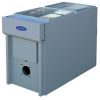
Performance™ 80 Oil FurnaceView Brochure |
|---|
| Model Family: OVL |
| Annual Fuel Utilization Efficiency: Up to 87.5% AFUE |
| Energy Star Certified: ENERGY STAR® |
| Blower Motor: Variable-speed blower motor |
| Heat Exchanger Warranty: Lifetime heat exchanger limited warranty upon timely registration |
| Warranty: 10-year parts limited warranty upon timely registration or “Carrier Customer Choice Warranty” |
Manufacturer's Stated Benefits:
|
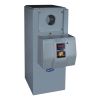
Performance™ 80 Oil FurnaceView Brochure |
|---|
| Model Family: OVM |
| Annual Fuel Utilization Efficiency: Up to 86.4% AFUE |
| Energy Star Certified: ENERGY STAR® |
| Blower Motor: Variable-speed blower motor |
| Heat Exchanger Warranty: Lifetime heat exchanger limited warranty upon timely registration. |
| Warranty: 10-year parts limited warranty upon timely registration or “Carrier Customer Choice Warranty” |
Manufacturer's Stated Benefits:
|
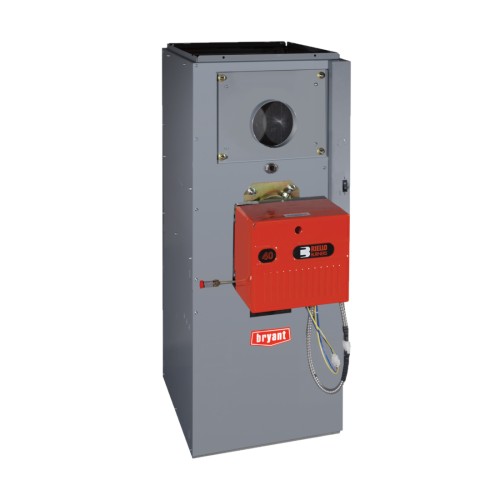
COMFORT™ 80 OIL FURNACEView Brochure |
|---|
| Model Family: OBM |
| Annual Fuel Utilization Efficiency: Up to 86.4% AFUE |
| Energy Star Certified: No |
| Blower Motor: Fixed-speed blower motor |
| Heat Exchanger Warranty: Lifetime heat exchanger limited warranty upon timely registration |
| Warranty: 10-year parts limited warranty upon timely registration or “Carrier Customer Choice Warranty” |
Manufacturer's Stated Benefits:
|