 Demo mode settings

Tanked Water Heaters
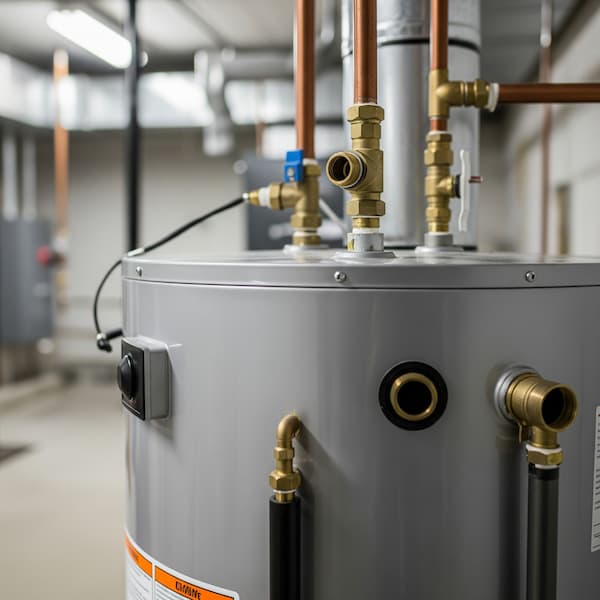
Choosing a new water heater is an important decision for any homeowner. One of the most common and traditional options is the tanked water heater. Another option to consider is a tankless water heater, however both have their advantages and disadvantages. Knowing the differences between the two can be useful as you make the decision if a tanked water heater is right for you.
How Do Tanked Water Heaters Work?
Tanked water heaters store a large volume of water and heat it so it's ready when you need it. Cold water enters through the bottom and is heated by a gas burner or an electric heating element. A thermostat monitors the temperature and turns the heating on and off to keep the water at a consistent temperature. When you turn on a hot water faucet, the incoming cold water pushes the heated water out through your home's pipes. The cycle continues, ensuring a steady supply of hot water.

Advantages and Considerations of a Tanked Water Heater
Here is how a traditional tanked water heater compares with an on-demand tankless water heater.
Advantages of a Tanked Water Heater
- Lower upfront cost. The unit and the installation are usually more budget-friendly than a tankless system, and because most homes are already set up for a tank, replacement is straightforward.
- Hot water to several fixtures at once. Drawing from a reservoir of heated water lets you run a shower and the dishwasher at the same time without a big pressure drop, though it draws the supply down faster.
- Proven, well-understood technology. Tanked systems have been the standard for decades, so parts are easy to find and most technicians know them well.
Things to Consider
- Standby heat loss. The unit uses energy around the clock to keep the full tank hot, even when no one is using it, which can raise your monthly bills.
- Limited hot water supply. Once the tank is drawn down, you have to wait for it to refill and reheat, which can take 20 minutes to over an hour.
- Vulnerable to leaks. Over time the steel tank can corrode and develop leaks, though regular maintenance, especially replacing the anode rod, greatly reduces the risk.
What Size Water Heater Do I Need?
The right size for a tanked water heater depends on how many people live in your home and your peak hot water use. A common guideline is:
- 1 to 2 people: 30 to 40 gallons
- 2 to 3 people: 40 to 50 gallons
- 3 to 4 people: 50 to 60 gallons
- 5 or more people: 60 to 80 gallons or more

Looking for a professional assessment of your utility lines, the right tank size, or a code-compliant install? Our experienced technicians can handle this as well as all types of residential plumbing work.
What Maintenance Is Recommended For Your Tanked Water Heater?
A few simple maintenance steps go a long way toward extending the life of a tanked water heater, mostly by controlling corrosion and sediment.
- Replace the anode rod. Every tank has a sacrificial anode rod that corrodes in place of the steel tank. Once it wears out, usually every 3 to 5 years, the tank itself starts to corrode, so replacing it on schedule is the single best way to prevent leaks.
- Flush the tank once a year. Draining the sediment that settles at the bottom keeps the unit heating efficiently and prevents popping noises and premature wear.
- Treat hard water upstream. In hard-water areas, minerals wear out the anode rod and the tank faster. A water conditioner or a whole-home water filtration system helps both the tank and the anode rod last longer.
Frequently Asked Questions About Tanked Water Heaters
A tanked water heater usually costs less upfront than a tankless unit, both for the equipment and the installation, since most homes are already set up for a tank. The final price depends on the fuel type, the tank size, and how involved the installation is. The best way to know is to get an upfront quote from Carrier Test Dealer - DS, who can look at your setup and walk you through the cost.
On average, a tanked water heater lasts 8 to 12 years. Regular maintenance, especially replacing the anode rod and flushing the tank, can extend that. It is a shorter lifespan than a tankless water heater, but tanked units are simpler and less expensive to repair and replace.
It depends on how the unit is fueled and ignited. Many gas tanked water heaters use a standing pilot light, so they keep making hot water during a power outage. Electric models, and some newer gas models with electronic ignition, rely on electricity and will not. If keeping hot water during outages matters to you, ask us which option fits your setup.
When water heats up, it expands. Most homes now have a check valve or pressure regulator on the main water line, which creates a closed system where that extra water has nowhere to go. The resulting pressure spike can stress your pipes and the water heater itself. A small thermal expansion tank gives the expanding water somewhere to go, which protects your plumbing, and current plumbing codes require one on closed systems.
It depends on your priorities. A tanked water heater costs less upfront, is simpler to service, and a gas model can keep working during a power outage. A tankless water heater costs more upfront but uses less energy, will not run out of hot water, lasts longer, and frees up floor space. If you are weighing the two, we are happy to help you compare.